
Maccabi Haifa B.C.
One of Israel's oldest basketball clubs, with a 2013 championship.

IPPA photographer · CC BY 4.0
Maccabi Haifa Basketball Club is a professional basketball club based in Haifa, Israel, and the basketball section of the Maccabi Haifa association. Established in 1953, it is one of the oldest basketball teams in Israel, though it was not among the original eight teams that formed the top division in 1953. The team currently competes in the Liga Leumit, the second tier of Israeli basketball, and plays its home games at Romema Arena, which seats up to 5,000 spectators.
- Founded
- 1953
Lore & Background
Maccabi Haiba was established in 1953 in the port city of Haifa. The club struggled in its early years, failing to achieve a winning record in its first five seasons and being relegated in 1960. It returned to the Premier League in 1961 and spent most of the 1960s there, achieving its first winning record in 1967. The 1970s saw further struggles, including a loss in the 1971 State Cup finals to Maccabi Tel Aviv and relegations in 1974 and 1978, though the club returned each time the following season.
Reader's Guide
Maccabi Haifa's significance lies in its resilience and historic breakthrough. After decades of near-misses—including State Cup final losses in 1971 and 1985, both to Maccabi Tel Aviv—the club finally won its first Premier League championship in the 2012–13 season, defeating perennial champions Maccabi Tel Aviv 86-79. This victory, led by 2012 League MVP Gal Mekel and Finals MVP Pat Calathes, marked a turning point for a club that had faced relegation, financial difficulties, and a failed merger with Hapoel Haifa in the early 2000s. The club's legacy includes multiple international appearances in the FIBA European Cup Winners' Cup and Korać Cup, and it remains a symbol of perseverance in Israeli basketball, currently competing in the second-tier Liga Leumit.
Did You Know?
- Maccabi Haifa was not one of the original eight teams that formed the top division in 1953; it joined the top division later.
- The club won its first Premier League championship in the 2012–13 season, defeating Maccabi Tel Aviv 86-79.
- In 2000, Haifa mayor Amram Mitzna merged Maccabi Haifa with Hapoel Haifa to form B.C. Haifa (also known as Hapoel-Maccabi Haifa). The merged club was dissolved in 2003, after which Maccabi Haifa was re-established separa
- American businessman Jeffrey Rosen purchased the club in 2007 and invested heavily, leading to a second-place finish in 2008–09.
Origins and the Long Climb (1950s–1960s)
Founded in 1954 in the port city of Haifa, Maccabi Haifa Basketball Club stands as one of Israel's oldest basketball programs. Operating as the basketball division of the broader Maccabi Haifa association and carrying the nickname 'The Greens,' the club was among the original eight sides that constituted the top division when it launched in 1953. Yet those early years offered little cause for celebration. The team failed to post a winning record across its first five league seasons, a persistent underachievement that ultimately cost them their top-flight status when relegation arrived in 1960. The following year saw a swift return to the Premier League, and the club spent most of the 1960s competing at the highest domestic level. Still, the decade was defined by inconsistency and fluctuating form. It was not until the 1967 campaign that Maccabi Haifa finally recorded its first winning season in club history—a milestone that had waited more than a full decade from the team's inception.
Cup Finals and European Ambitions (1970s–1980s)
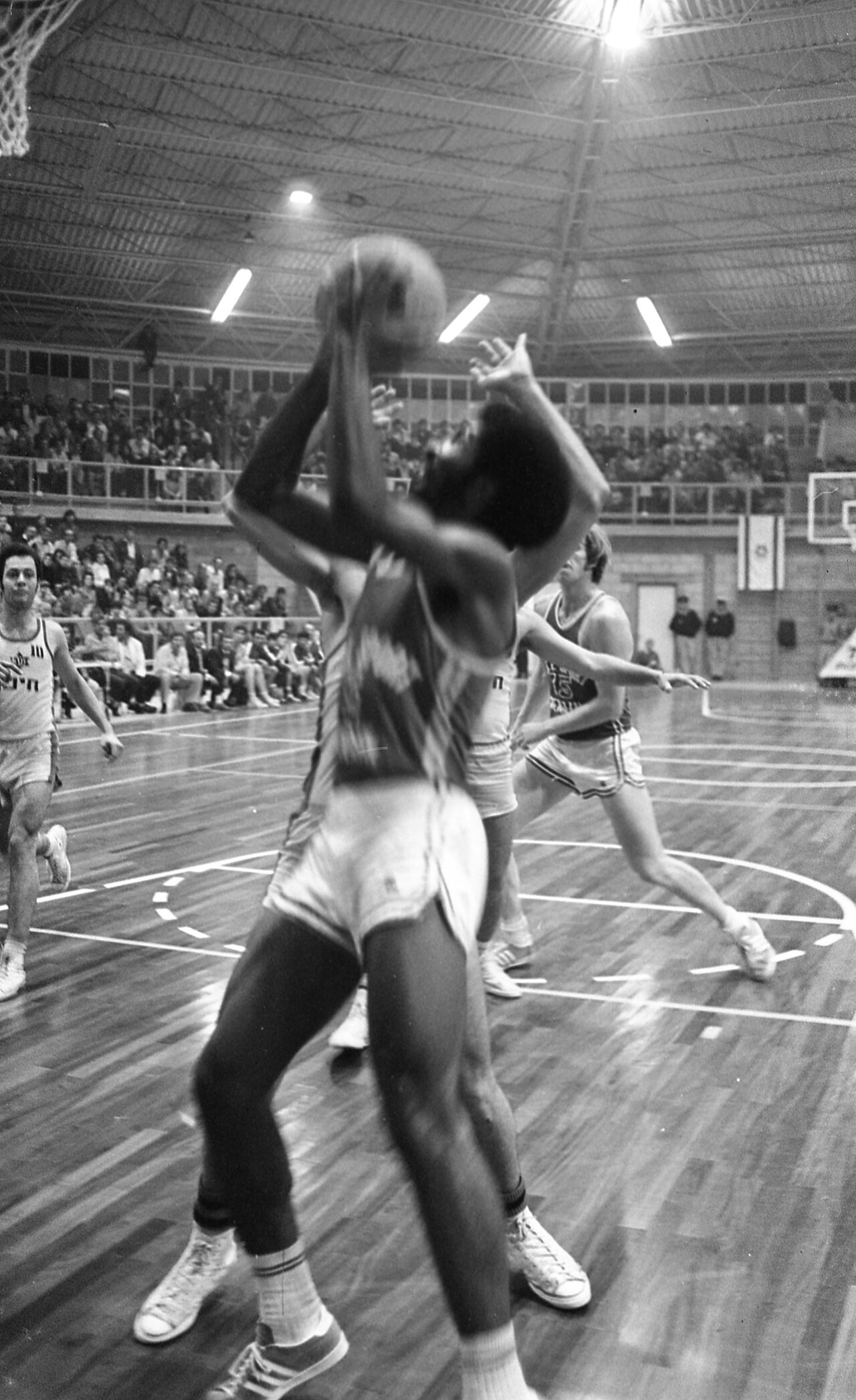
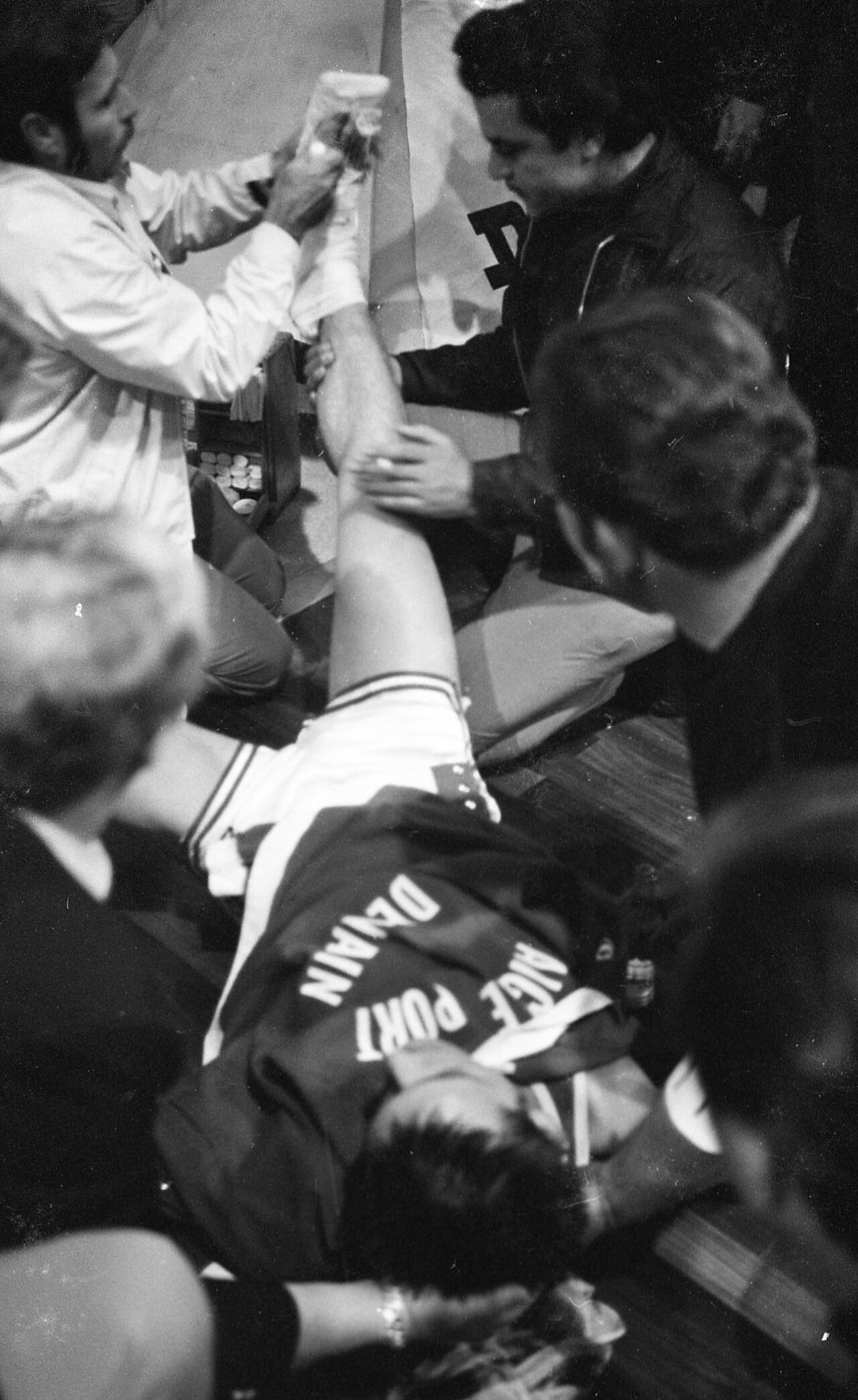
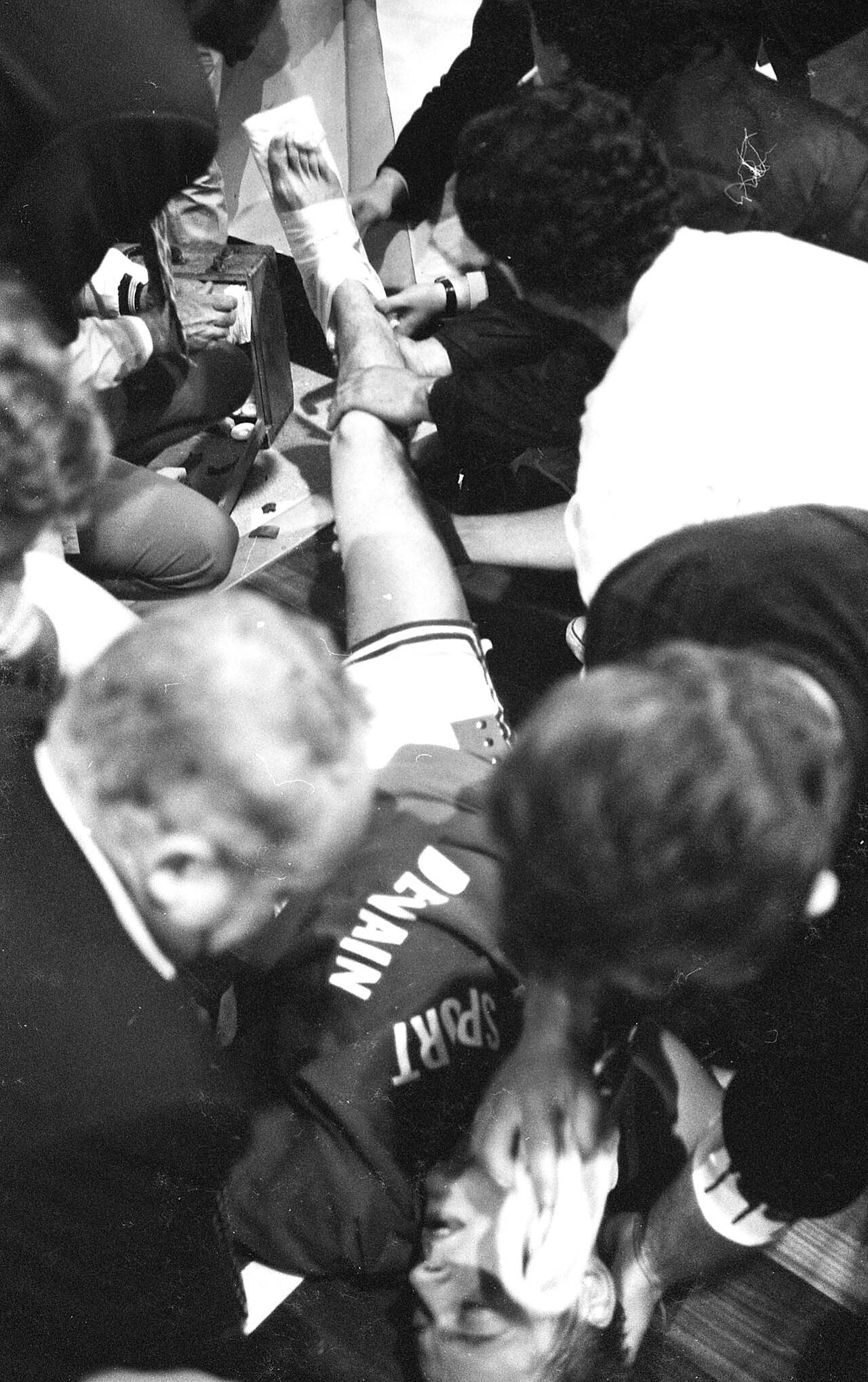
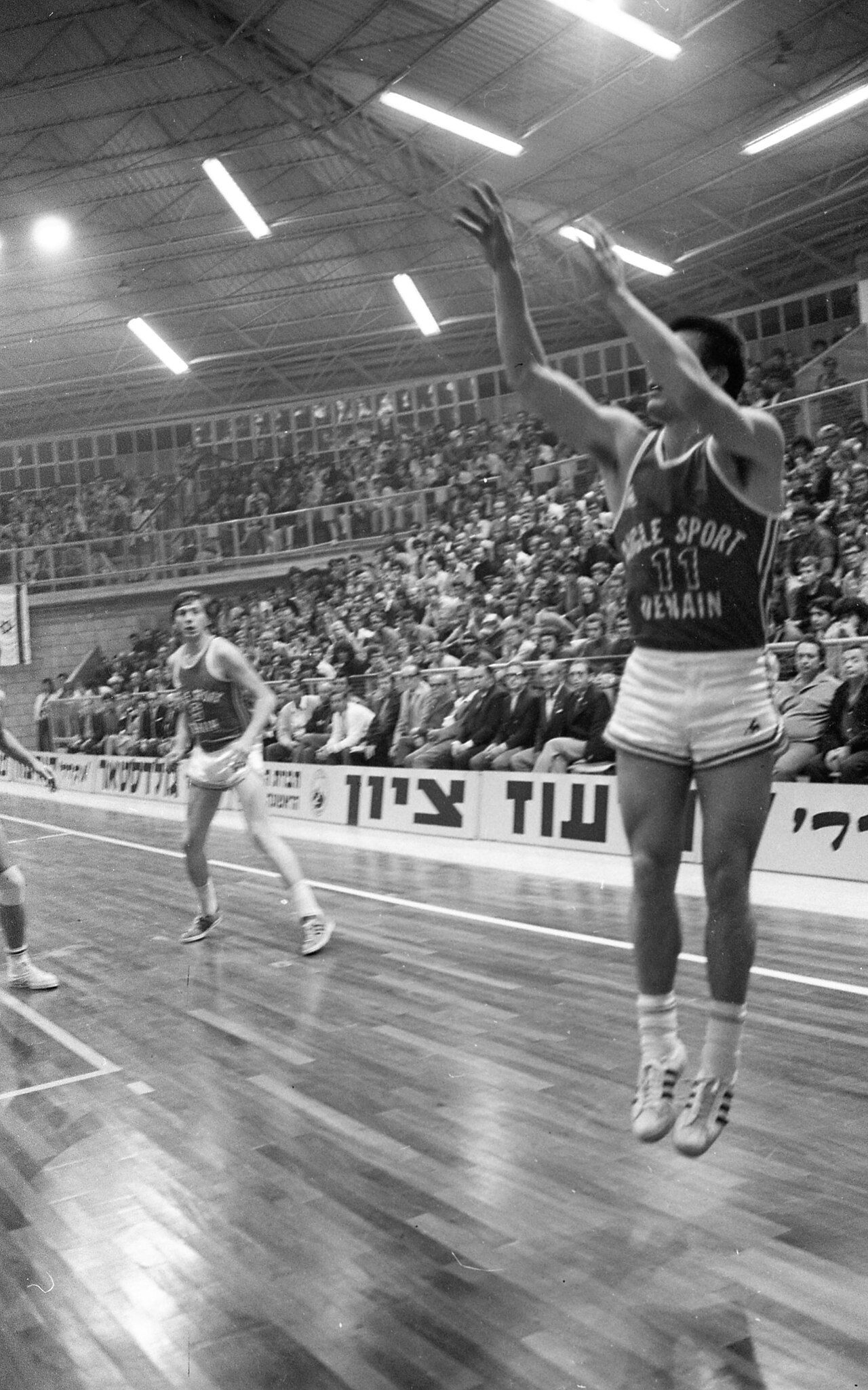
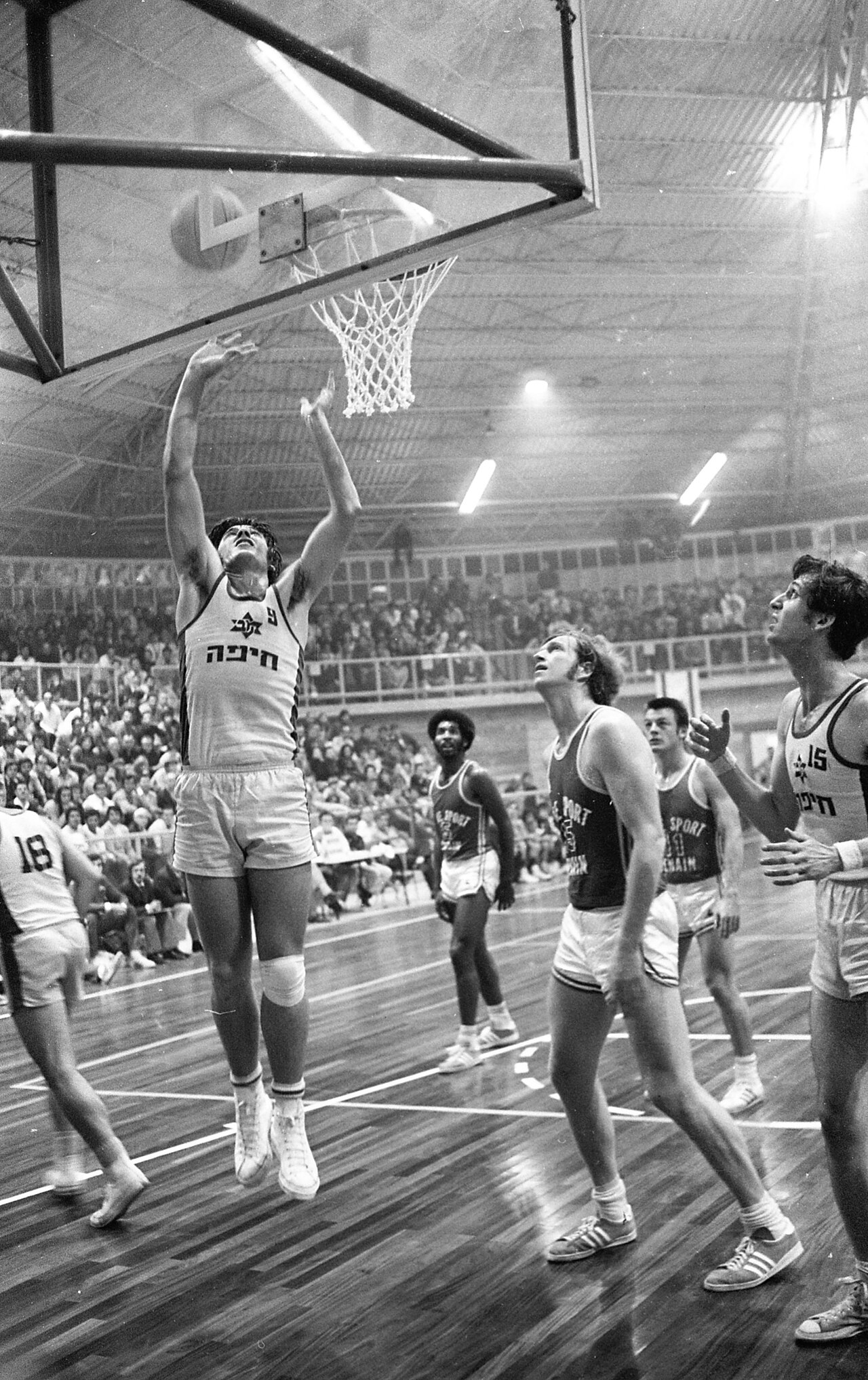
The 1970s and 1980s delivered Maccabi Haifa's most memorable competitive moments, even as league stability remained a recurring challenge. In 1971, the Greens advanced to the Israeli Basketball State Cup final, only to be defeated by perennial champions Maccabi Tel Aviv. That same year, the club secured its first-ever international berth, entering the 1971–72 FIBA European Cup Winners' Cup, where it was knocked out in the opening round by French club Denain Voltaire. The 1980s brought greater continuity; after a two-year absence, the team re-entered the Premier League in 1980 and held that position for the entire decade. In 1985, Maccabi Haifa reached the State Cup final for a second time, again falling to Maccabi Tel Aviv. European campaigns in the mid-to-late 1980s saw the club overcome Cypriot opponents ENAD and Achilleas Kaimakli before succumbing to Yugoslav side Jugoplastika and French side ASVEL. In 1990, Koren Amisha earned the Israeli League Rising Star award, a testament to the club's ongoing talent development.
The B.C. Haifa Experiment and Its Collapse (2000s)
The year 2000 brought a dramatic restructuring when Haifa mayor Amram Mitzna merged Maccabi Haifa with Hapoel Haifa to form a new entity, B.C. Haifa. The combination initially produced impressive results: the team finished fourth in both the 2000–01 and 2001–02 Premier League seasons, earning playoff berths each time before being eliminated in the semifinals by Maccabi Tel Aviv. Standouts like Stanley Brundy and Corey Gaines dominated statistical categories, with Brundy leading the league in rebounds per game and Gaines in assists per game across multiple campaigns. However, the momentum quickly dissipated. By 2002–03 the club had slipped to eleventh place, missing the postseason entirely. Financial strain deepened, and despite a rebrand to B.C. Haifa/Nesher, the team could not recover. The 2004–05 season ended in twelfth place and relegation, after which the club folded outright, its remaining rights transferred to Bnei HaSharon. The merger's failure left both original organizations in a state of disarray.
Rebirth from the Ground Up
In the wake of B.C. Haifa's dissolution, former club officials moved to preserve the Maccabi Haifa identity by renaming the organization's previous second side, Maccabi Bat Galim, to Maccabi Haifa/Bat Galim. This rebranding officially restored a name that had been dormant for six years, with the explicit aim of reviving the club's former stature. The rebuilt team was forced to begin at the very bottom of Israeli basketball, competing in the third tier. Progress was slow but tangible: by 2007 the club had earned promotion back to the National League. That same year, American businessman Jeffrey Rosen acquired the club and poured substantial financial resources into its development. Today, Maccabi Haifa Basketball Club competes in the Liga Leumit, the second tier of Israeli basketball, hosting its home games at the Romema Arena, a venue with a seating capacity of up to 5,000 spectators. The arc from the club's 1954 founding to its present-day position reflects a long, often turbulent history of resilience and reinvention.
Gallery
Frequently Asked Questions
Who is Maccabi Haifa B.C.?
Maccabi Haifa B.C. is a professional basketball club out of Haifa, Israel, operating as the basketball division of the broader Maccabi Haifa sports association. It has been active since 1953, making it one of the longest-running clubs in the country's basketball landscape.
When was Maccabi Haifa B.C. founded?
The club was established in 1953, placing it among the earliest basketball organizations in Israel. However, it did not start as one of the eight founding members of the country's top division that same year.
Where does Maccabi Haifa B.C. play its home games?
The team hosts its matches at Romema Arena in Haifa, a venue with a capacity of around 5,000 fans.
What league does Maccabi Haifa B.C. currently compete in?
As of now, the club plays in the Liga Leumit, which is the second division of Israeli professional basketball.
Has Maccabi Haifa B.C. ever won a major title?
Yes — the team captured a championship in 2013, a highlight in a long history that stretches back more than seven decades.
More in Basketball teams in Israel 1-24
Spotted an error? Know more?
This is a living reference — every entry is fact-audited, and reader corrections feed straight into our audit queue. Suggest an edit · See this site's audit record